Pavement and parking rules in Leaves Green: removals checklist
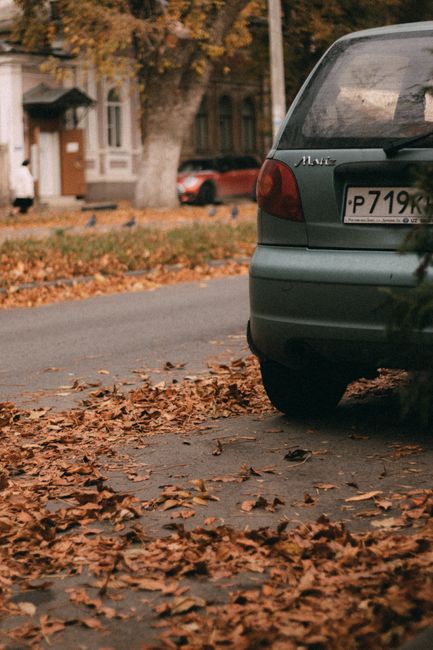
If you are moving in or out of Leaves Green, the last thing you want is a van that cannot stop legally, safely, or close enough to the front door. That is exactly why Pavement and parking rules in Leaves Green: removals checklist matters. A tidy move can still go sideways if the vehicle blocks a narrow lane, sits awkwardly on the pavement, or clashes with nearby traffic flow. And let's face it, on moving day nobody wants to be carrying a wardrobe round the corner because the van had to park three streets away.
This guide pulls the practical bits together: how to plan for pavement access, what parking considerations usually matter, where people trip up, and how to build a removals checklist that keeps the day calm rather than chaotic. It also links the parking picture to packing, lifting, access planning, and the sort of local moving know-how that saves time when the kettle is already boxed up.
- Why it matters
- How it works
- Key benefits and practical advantages
- Who needs this and when it makes sense
- Step-by-step guidance
- Expert tips for better results
- Common mistakes to avoid
- Tools, resources and recommendations
- Law, compliance, standards and best practice
- Options and comparison table
- Case study or real-world example
- Practical checklist
- Conclusion
- Frequently asked questions
Why Pavement and parking rules in Leaves Green: removals checklist Matters
Parking is not just a convenience issue during a house move. It affects loading speed, safety, neighbour relations, and the risk of last-minute stress. In a place like Leaves Green, where access can feel more village-like than city-wide, the margin for error is often smaller than people expect. One badly placed van can make carrying boxes awkward, increase the chance of scuffs or trips, and slow the whole day down.
The pavement side matters just as much. When a van ends up partly on the pavement, the move can become inconvenient for pedestrians and unsafe for everyone involved. Even if the intention is harmless, pavement obstruction can create a nuisance and may draw complaints. That tends to happen when people are already under pressure, which is exactly why a removals checklist is so useful. It gives you a plan before the heavy lifting begins.
There is also the simple reality of timing. A move that starts smoothly at 8:30 can turn messy by 10:00 if nobody has thought through where the vehicle will wait, turn, or unload. A few minutes spent on access planning often saves a lot of running about later. Small thing? Maybe. But moving day is full of small things.
Expert summary: The best removals plan is not just about boxes and tape. In Leaves Green, parking position, pavement access, clear frontage, and neighbour-friendly loading are part of the move itself.
How Pavement and parking rules in Leaves Green: removals checklist Works
The easiest way to think about it is this: you are trying to create a temporary loading zone without causing obstruction or confusion. That means checking the space outside the property, understanding how the van will approach, and deciding where items will be handed from house to vehicle. If the vehicle cannot sit directly outside, you need a second-best option that is still legal and workable.
In practice, the process usually follows a few familiar steps. First, you assess the street or lane. Then you decide whether a smaller vehicle, a staggered loading plan, or a short carry route is needed. Finally, you communicate that plan clearly to everyone involved. This is where professional movers often help because they think in terms of access, weight, and flow, not just transport.
When a property has a narrow frontage or tight turning space, the move becomes more than a simple parking job. You may need to protect the pavement edge, avoid blocking driveways, and keep enough room for other traffic to pass. If you want to see how access issues often connect with local moves, it is worth reading the practical advice in this guide to narrow streets and tight drives and the local note on packing and access tips for Leaves Green Road.
Parking rules are not usually the only factor. Sometimes the real issue is vehicle size, turning angle, kerb height, or how much time the loading point is blocked. That is why a removals checklist should include both the legal side and the practical side. The law may tell you what you should not do; experience tells you what will actually work without turning the day into a slog.
Key Benefits and Practical Advantages
A good parking and pavement plan pays off in a few very ordinary but very valuable ways.
- Less carrying distance: The closer the van can get, the less you have to drag sofas, boxes, and appliances up the road.
- Lower damage risk: Shorter carries reduce bumps, drops, and that horrible moment when a corner catches a gatepost.
- Better pace: Loading becomes more rhythmical, especially with larger furniture and white goods.
- Safer working conditions: Fewer awkward lifts and fewer people weaving around traffic or pedestrians.
- Less neighbourhood friction: Good planning means fewer complaints about blocked pavements or inconsiderate parking.
There is also a quieter benefit: mental relief. People often underestimate how much calmer they feel when the van plan is sorted. If you have already done the packing properly, a clear parking plan completes the picture. For broader move preparation, the articles on packing for your house move and cleaning before relocation fit neatly into the same workflow.
To be fair, no plan removes every variable. Weather changes, traffic appears out of nowhere, and someone inevitably cannot find their keys for 40 seconds that feel like 40 minutes. But a solid removals access plan gives you a stable base. That is the difference.
Who This Is For and When It Makes Sense
This checklist is useful for almost anyone moving in Leaves Green, but it is especially helpful if your move involves one of these situations:
- narrow residential roads or tight turning space
- shared access where neighbours also need to get in and out
- frontages with limited space for loading
- heavy furniture, a piano, or awkward items
- a flat move where stair access already makes the day more demanding
- same-day or short-notice moves where planning time is limited
If you are moving from a smaller property, the parking issue can feel manageable at first, then suddenly become the thing that slows everything. That is especially true for flats, where the carrying route starts before the front door. If that sounds familiar, the local page on flat removals in Leaves Green may be useful context.
Students, first-time movers, and people moving a few bulky pieces also benefit from this kind of planning. A smaller move may not need a big logistics setup, but it still needs somewhere sensible for the vehicle to wait. In other words, even a modest move can go wonky if parking is treated as an afterthought.
Step-by-Step Guidance
Here is a straightforward way to build your removals parking plan without overcomplicating it.
1. Walk the frontage before moving day
Look at the curb, pavement width, visibility, and the space available for a van to stop without causing an obstruction. Check for bends, parked cars, low walls, hedge growth, or awkward corners. A five-minute walk-through can reveal problems that are hard to notice from inside the house.
2. Measure the practical space, not just the property boundary
People often think in terms of their own driveway or front path, but the real question is whether a vehicle can safely stop and whether items can be carried without blocking pedestrian movement. Think in terms of the whole loading route. Front door to van. Not just van to address.
3. Decide whether the van can load directly or needs a staging point
Sometimes the vehicle can sit right outside. Sometimes it cannot. If it cannot, choose the nearest sensible alternative that keeps the carry short and safe. A good moving team will work with that instead of forcing a bad setup.
4. Separate parking from loading time
One useful habit is to treat parking as a setup step, not something that happens casually in the middle of everything else. Once the van is in place, keep the route clear and start loading in a sensible order. Heavy and awkward items first is usually the safer play.
5. Protect the pavement and doorway area
Use floor protection inside, and make sure nothing spills out onto the pavement where it might create a trip hazard. A moving blanket, dolly, or simple hand cart can make a big difference, especially for repeated trips. This is where safe lifting practice becomes important too; the lifting side and parking side are joined at the hip. For a practical refresher, the article on kinetic lifting is a useful read.
6. Keep the route clear for everyone else
If other pedestrians, neighbours, or road users need to pass, keep that movement in mind. A move should not turn a quiet lane into a bottleneck. It is basic courtesy, really, but it also keeps the day smoother.
7. Match the checklist to the type of items being moved
A sofa, mattress, freezer, and piano each bring different access needs. For example, a large appliance may need to be carried in a more direct line, while a piano needs extra care around surfaces, angles, and stopping points. If that is part of your move, have a look at the practical notes on sofa handling and storage, moving beds and mattresses, and safe piano transportation.
A simple structure like this keeps the process grounded. No drama. Just good planning and a few sensible decisions made early.
Expert Tips for Better Results
After plenty of move-day observation, a few things come up again and again.
Tip 1: Keep the loading order logical. Put the heaviest or least flexible items on the route first, not last. Otherwise you can end up with a van half-full of soft boxes while the sofa is still trapped in the hallway. Happens more than people like to admit.
Tip 2: Plan for the weather, even in summer. A damp pavement, slippery step, or glare from low sunlight can make carrying more awkward than expected. A move at 7 a.m. after a cool night feels different from one on a warm afternoon, and the route should reflect that.
Tip 3: Use fewer handovers where possible. Every time an item is passed from one person to another, the risk of a wobble goes up. If you can keep the carry route direct, do it.
Tip 4: Don't improvise around a bad parking spot. If the first stopping point looks cramped, stop and rethink before unloading half the van. A slow start is better than a messy one.
Tip 5: Build in buffer time. Access problems rarely happen exactly on schedule. A 15-minute buffer can absorb a lot of small frustrations and prevent the whole day from snowballing.
If you are looking at a bigger relocation, the stress reduction side matters too. The blog post on a relaxed moving experience is worth pairing with this topic because the two are linked more than most people think.
And here is a slightly old-school tip: go outside one more time the evening before. Stand where the van would stop. Look at it as if you are arriving blind. You will notice things you missed earlier. Usually the annoying little things, which is exactly what you want to catch.
Common Mistakes to Avoid
Most moving headaches come from a handful of predictable mistakes. The good news is that nearly all of them are avoidable.
- Assuming parking will sort itself out: It often does not.
- Forgetting that the pavement is for pedestrians: A van placement that looks "nearly fine" can still be a problem.
- Using the biggest vehicle without checking access: Bigger is not always better if the street is tight.
- Leaving neighbours out of the loop: If shared access is involved, a quick heads-up helps.
- Loading without a route plan: That is how you end up with backtracking and duplicated effort.
- Ignoring bulky item dimensions: A wardrobe that looks manageable indoors may become a nuisance outside a narrow frontage.
Another common issue is underestimating how much space the open van doors will need. A stop that looks fine from the front can feel very different once doors are open and people are moving in and out. This is why access planning and vehicle selection should be discussed together, not separately.
For a deeper look at how hidden extras appear in local moving jobs, the article on hidden moving costs in Leaves Green is a smart companion piece.
Tools, Resources and Recommendations
You do not need a suitcase full of kit to get this right, but a few basics help enormously.
- Measuring tape: useful for checking furniture widths and loading gaps.
- Hand trolley or sack truck: especially helpful for boxes, white goods, and repeated trips.
- Furniture blankets: protect paintwork, frames, and van interiors.
- Floor and doorway protection: mats or covers reduce scuffs at the threshold.
- Marker labels: help group items by room so loading stays organised.
- Gloves with grip: not glamorous, but useful when hands get tired.
For planning the rest of the move, the site's practical guides on decluttering before relocating, packing and boxes in Leaves Green, and recycling and sustainability can help reduce what needs to be moved in the first place. Fewer items usually mean fewer parking complications. Funny how that works.
If your move includes long-term storage or items you do not want on the van right away, it is worth thinking through the order of operations carefully. Storage, packing, and parking are all part of the same puzzle. For that angle, the page on storage in Leaves Green is a sensible reference point.
Law, Compliance, Standards, or Best Practice
Parking and pavement use around a removal vehicle should always be approached with care. In the UK, local traffic and highway rules, highway obstruction concerns, and general duty of care all matter. I am keeping this deliberately cautious because specific enforcement and permissions can depend on the exact street, the vehicle position, and local authority practice. If there is any doubt, plan conservatively and avoid making assumptions.
As a best practice rule, do not place a vehicle where it forces pedestrians, pushchairs, wheelchair users, or neighbours into unsafe movement. Do not block driveways or emergency access. Do not assume a pavement stop is acceptable just because it is brief. If you need to pause, do so in a way that is safe, proportionate, and as unobtrusive as possible.
For removals in the wider area, it can also help to understand the permit and access side of local jobs. The article on Bromley Council permits for removals is a useful companion if your move might need a more formal access solution. And if you want the broader operational context, health and safety guidance and insurance and safety information are worth understanding before moving day arrives.
Best practice, in plain English, is simple: keep the move safe, keep the route clear, and keep the plan realistic. If something feels tight or borderline, it usually is.
Options, Methods, or Comparison Table
Different moves need different parking strategies. The right choice depends on street layout, item size, and how much carrying you want to do.
| Option | When it works best | Pros | Trade-offs |
|---|---|---|---|
| Direct frontage loading | Quiet road, enough space, short carry | Fastest, least lifting distance | Not always possible; can still affect footway space |
| Short-carry staging point | Tight roads or limited stopping space | More flexible, usually safer than forcing a bad stop | Extra walking and a bit more time |
| Smaller van or shuttle arrangement | Narrow access, awkward turns, multiple runs | Better manoeuvrability | May take longer and need more coordination |
| Pre-arranged permit or controlled access plan | Restricted access or a formal parking need | More certainty, less guessing | Needs extra planning time |
If you are not sure which route fits your property, the safest answer is usually the one that reduces pressure on the pavement and keeps the carry distance reasonable. A neat plan beats a clever but risky one.
Case Study or Real-World Example
Imagine a small family move from a property off a narrow Leaves Green road. The front garden is short, the pavement is slim, and there is just enough turning space for one van if nobody has parked awkwardly nearby. At first glance, the move looks easy enough. But once the sofa, mattress, and a few heavy boxes are out, the frontage starts to feel much smaller.
Instead of pushing the van too close and making the pavement unusable, the movers use a short-carry plan. One person stages boxes just inside the door. Another keeps the path clear. The van waits at the safest workable point, even though it is not directly outside the front door. It adds a few extra steps, yes, but it prevents blocking the route and keeps the loading flow smooth.
They also split the move into a sensible order: small packed boxes first, then the mattress, then the larger furniture pieces once the route is clear. No one is fighting with a wardrobe while someone else is trying to manoeuvre a trolley past a bin. The whole thing finishes without that slightly frazzled end-of-day feeling.
What made the difference? Not luck. Just planning, a realistic van position, and a willingness to adapt when the first idea was not the best one. That is often how it goes, honestly.
Practical Checklist
Use this as a final pre-move check. If you can tick most of these off, you are in good shape.
- Confirm the exact loading point outside the property.
- Check whether the van can stop without blocking the pavement or driveway.
- Measure the biggest furniture items and compare them with the route.
- Decide whether a smaller van, short-carry plan, or shuttle arrangement is needed.
- Keep the pavement clear for pedestrians and neighbours.
- Prepare blankets, trolleys, gloves, and labels before the van arrives.
- Brief everyone on the loading order.
- Separate fragile items from bulky items so the first trips are efficient.
- Have a backup parking idea in case the preferred spot is taken.
- Allow a little buffer time for tight access, traffic, or last-minute changes.
One more thing: keep a calm eye on the actual scene as the move starts. Conditions can change quickly once cars move, pedestrians pass, or the weather shifts. Stay flexible. That is usually what saves the day.
For more support with move-day planning, you may also find man with a van services in Leaves Green, man and van options, and removal services in Leaves Green useful as part of the wider preparation picture.
Get a free quote today and see how much you can save.
Conclusion
Pavement and parking rules may sound like a side issue, but in a real move they can shape the whole day. If the van can stop safely, the pavement stays clear, and the loading route is planned properly, everything else tends to breathe a little easier. That is especially true in a place like Leaves Green, where access can be narrow, awkward, or just a bit more delicate than people expect.
The best removals checklist is not complicated. It is just honest about the street, honest about the furniture, and honest about how much space you really have. Add a little preparation, a little flexibility, and a decent amount of common sense, and you are already ahead of most moving-day problems.
And if all you manage is a smoother, safer, less frantic move, that is a very good result indeed.
Frequently Asked Questions
Do I need to worry about parking rules for a small move in Leaves Green?
Yes, even a small move can create access problems if the van cannot stop safely or if the pavement gets blocked. Smaller moves still benefit from a clear plan.
What is the main risk of parking too close to the pavement?
The main risk is obstruction. It can make it hard for pedestrians to pass safely and may create complaints or safety issues during loading.
What should be on a removals parking checklist?
Check the loading point, turning space, carry distance, pavement clearance, vehicle size, and a backup option if the preferred space is unavailable.
Can a removal van stop in front of my house if the road is narrow?
Sometimes, but not always. The answer depends on the actual street layout, available space, and whether the stop would be safe and practical.
How far in advance should I plan parking for a house move?
Ideally, you should think about it as soon as the move date is confirmed. At minimum, do a proper check the day before so there are no surprises.
What if there is already another car parked outside?
Have a backup plan. This might mean a short-carry route, a different arrival time, or using a smaller vehicle that can fit more easily.
Are pavement obstructions ever acceptable during removals?
Only if they are lawful, safe, and as brief as possible. In practice, it is better to avoid them whenever you can and keep pedestrians clear.
How do I make loading faster when parking is limited?
Keep boxes labelled, stage items in order, use trolleys where suitable, and load the heaviest pieces first. Faster loading usually comes from organisation, not rushing.
Should I choose a smaller van for tighter access in Leaves Green?
Often, yes. A smaller or more manoeuvrable van can be easier to position on narrow roads or awkward turns, even if it means a few extra trips.
What if I'm moving a sofa or piano?
These items need extra planning because they are awkward, heavy, and easier to damage. Plan the route carefully and make sure the van position supports a direct, safe carry.
How do I avoid upsetting neighbours on moving day?
Keep the route clear, avoid blocking driveways, move efficiently, and if possible give a quick heads-up beforehand. A bit of courtesy goes a long way.
Where can I find more local moving help for Leaves Green?
The most useful next steps are to review access-focused move guides, look at the packing and lifting advice, and think through the move order before the van arrives. That combination usually makes the biggest difference.